Hariyali Teej 2026 Date, Significance, and How It Is Celebrated

Hariyali Teej 2026: Date, Significance, and How It Is Celebrated

Hariyali Teej 2026 falls in the holy month of Shravan and marks one of the most cherished festivals for married and unmarried Hindu women across North India.

Celebrated with green sarees, intricate mehendi, swinging on decorated jhulas, and devotional fasting, Hariyali Teej honors the eternal reunion of Goddess Parvati and Lord Shiva.

This guide covers the exact Hariyali Teej 2026 date, its deep mythological significance, puja vidhi, regional celebrations, and everything you need to celebrate this monsoon festival meaningfully.

Hariyali Teej 2026 Date, Time, and Muhurat at a Glance

Hariyali Teej 2026 falls on Saturday, 15 August 2026. The Tritiya Tithi begins at 06:46 PM on 14 August 2026 and ends at 05:28 PM on 15 August 2026. The most auspicious puja window falls in the morning after sunrise, extending through the day until the tithi ends in the evening.

Detail

Timing

Hariyali Teej 2026 Date

Saturday, 15 August 2026

Tritiya Tithi Begins

06:46 PM on 14 August 2026

Tritiya Tithi Ends

05:28 PM on 15 August 2026

Most Auspicious Puja Window

Morning after sunrise through 05:28 PM, before Tritiya Tithi ends

Favorable Yogas

Ravi Yoga and Siddha Yoga support puja and vrat rituals through the day

Always confirm exact timings with a local Panchang, since city-wise sunrise and sunset can shift the window slightly.

What Is Hariyali Teej and Why Is It Celebrated

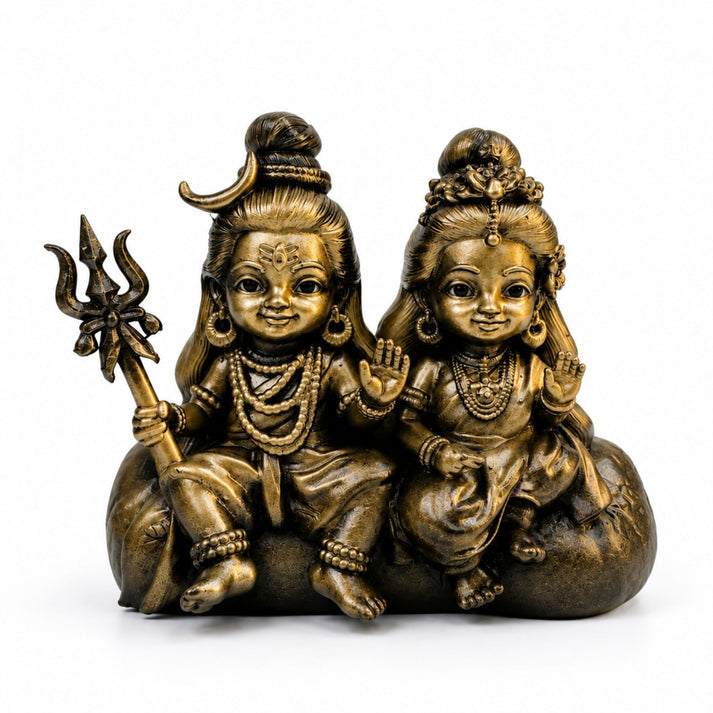
Goddess Parvati and Lord Shiva idols symbolizing Hariyali Teej significance

Hariyali Teej, sometimes called Sawan Teej or Choti Teej, is a monsoon festival that celebrates the union of Goddess Parvati and Lord Shiva. According to Hindu mythology,ย Parvati performed intense penance over many lifetimes to win Shiva as her husband.

On this day in the month of Shravan, her wish was finally fulfilled, and the couple were reunited in marriage.

The word "Hariyali" means greenery, referring to the lush monsoon landscape and the green color that dominates the festival, from clothing to bangles to the natural surroundings.

Women observe the day as a symbol of marital devotion, fertility, and the arrival of the rainy season, which traditionally brought relief and prosperity to agrarian communities.

Hindu Month

Shravan, Shukla Paksha Tritiya

Also Known As

Sawan Teej, Choti Teej, Sindhara Teej, Madhusrava Teej

Primary Deities

Goddess Parvati and Lord Shiva

Main Observers

Married women, newly married women, unmarried girls

Key Rituals

Vrat (fasting), puja vidhi, mehendi, swing decoration, solah shringar

Celebrated Mainly In

Rajasthan, Uttar Pradesh, Bihar, Madhya Pradesh, Haryana, Nepal

The Story Behind Hariyali Teej (Vrat Katha)

The Hariyali Teej vrat katha tells how Goddess Parvati took 108 rebirths and performed rigorous tapasya to be united with Lord Shiva, who had initially rejected her in an earlier incarnation as Sati. Pleased by her unwavering devotion, Shiva finally accepted her as his wife. Married women fast and pray on this day to seek the same depth of marital harmony and to wish long life and prosperity for their husbands, while unmarried girls observe the vrat hoping for a partner as devoted and ideal as Shiva.

Hariyali Teej vs Kajari Teej vs Hartalika Teej: What Is the Difference

Many people search for the difference between Teej festivals because three major Teej celebrations occur within a few weeks of each other during the monsoon season. Here is a simple comparison.

Festival

Timing

Significance

Hariyali Teej

Shravan, Shukla Paksha Tritiya (August)

Celebrates Parvati and Shiva's reunion; green color and monsoon greenery theme

Kajari Teej

Bhadrapada, Krishna Paksha Tritiya (late August or September)

Also called Badi Teej; focused on prosperity and protection from evil

Hartalika Teej

Bhadrapada, Shukla Paksha Tritiya (September)

Marks Parvati's penance specifically; observed with a strict nirjala (waterless) fast

Significance of Hariyali Teej for Married and Unmarried Women

Hariyali Teej holds layered meaning depending on who is observing it.

  • Married women fast for their husband's health, long life, and a harmonious marriage, mirroring Parvati's devotion to Shiva.
  • Newly married women often celebrate their first Teej at their parental home, where they receive a baya, a gift basket of clothes, sweets, and gifts sent by the in-laws' family.
  • Unmarried girls observe the vrat in hopes of finding a loving and devoted life partner.
  • The festival also celebrates sisterhood and community, as women gather to sing folk songs, swing on decorated jhulas, and apply mehendi together.
Hariyali Teej puja vidhi thali with flowers, diya, and sindoor

Hariyali Teej Puja Vidhi: Step-by-Step Guide

The puja vidhi for Hariyali Teej is simple to follow even for first-time observers. Here is the typical sequence.

  • Wake up early, take a bath, and wear a green outfit along with traditional jewelry as part of the solah shringar.
  • Set up a small altar with idols or images of Goddess Parvati and Lord Shiva.
  • Offer flowers, fruits, sweets, and a sacred thread (mauli) to the deities.
  • Apply mehendi on the hands before or after the puja as a symbol of marital bliss.
  • Recite or listen to the Hariyali Teej vrat katha with family members.
  • Observe the fast through the day; many women keep a nirjala or phalahari (fruit-only) fast depending on family tradition.
  • In the evening, women gather to sing traditional Teej geet and swing on decorated jhulas hung from trees or in courtyards.
  • Break the fast after the puja is complete and prasad has been offered to the family.
Traditional ghewar and festive sweets for Hariyali Teej celebration

Hariyali Teej Special Foods and Recipes

Food plays a central role once the fast is broken or for women observing a non-strict vrat. Popular festive dishes include ghewar, a syrup-soaked disc-shaped sweet that is almost synonymous with Teej season, along with gujiya, kheer, and malpua.

Many households also prepare phalahari snacks made from fruits, nuts, and sabudana for those keeping a fruit-only fast.

Hariyali Teej mehendi design with green bangles on hands

What to Wear on Hariyali Teej: The Significance of Green

Green is the defining color of Hariyali Teej, symbolizing fertility, new beginnings, and the lush monsoon season. Most women choose a green saree, lehenga, or suit, often paired with green or red glass bangles known as chuda. The complete solah shringar, including sindoor, bindi, mehendi, anklets, and a nose ring, is considered auspicious and is believed to invite marital prosperity.

How Hariyali Teej Is Celebrated Across India

While the core rituals remain similar, regional traditions add unique flavor to the celebrations.

Region

How It Is Celebrated

Rajasthan

Grand processions, the famous Teej Mata procession in Jaipur, elaborate fairs, and folk dance performances

Uttar Pradesh and Bihar

Women visit their parental homes, decorated swings in courtyards, and traditional Teej songs sung in groups

Madhya Pradesh and Haryana

Community fasting, temple visits, and local fairs with mehendi and bangle stalls

Nepal

Celebrated with similar fervor; women dance, sing, and observe a strict day-long fast at Shiva temples

Conclusion

Hariyali Teej 2026 falls on Saturday, 15 August 2026, and remains one of the most joyful and meaningful festivals of the monsoon season. Beyond the rituals of fasting and prayer, it is a celebration of love, devotion, sisterhood, and the renewal that the rains bring. Whether you are observing the vrat for the first time, choosing the perfect green saree, or planning gifts for loved ones, understanding the date, significance, and traditions of Hariyali Teej helps you celebrate it with greater meaning and joy.

Frequently Asked Questions About Hariyali Teej 2026

1- When is Hariyali Teej in 2026?

Hariyali Teej 2026 falls on Saturday, 15 August 2026, during Shukla Paksha Tritiya of the Shravan month. The Tritiya Tithi runs from 06:46 PM on 14 August to 05:28 PM on 15 August 2026.

2- What is the significance of Hariyali Teej?

Hariyali Teej celebrates the reunion of Goddess Parvati and Lord Shiva. It symbolizes marital devotion, fertility, and the arrival of the monsoon season.

3- Is Hariyali Teej only for married women?

No. While married women observe it for their husband's wellbeing, unmarried girls also keep the vrat hoping for a devoted life partner, and the festival is celebrated by women of all ages.

4- What is the difference between Hariyali Teej and Hartalika Teej?

Hariyali Teej falls in Shravan and is a more festive, community-driven celebration, while Hartalika Teej falls in Bhadrapada and is observed with a stricter waterless fast focused specifically on Parvati's penance.

5- What should I wear on Hariyali Teej?

Green clothing is traditional, usually a saree, lehenga, or suit, paired with bangles and a complete solah shringar including sindoor and mehendi.

6- Can pregnant or unwell women observe the Hariyali Teej fast?

Health always comes first. Many traditions allow a phalahari or modified fast for pregnant, unwell, or elderly women instead of a strict waterless fast. It is advisable to consult a doctor and follow family customs.

7- What is a baya in Hariyali Teej tradition?

A baya is a gift basket of sweets, clothes, and items sent by the in-laws' family to a married woman's parental home ahead of Hariyali Teej, especially common in North Indian households.

8- Is Hariyali Teej a public holiday in India?

Hariyali Teej is a restricted or optional holiday in several Indian states, particularly Rajasthan, but it is not a mandatory national public holiday.

Back to blog