

Janmashtami 2026: Date, Timing, Muhurat, History and Significance
Janmashtami 2026 is one of the most important Hindu festivals dedicated to Lord Krishna. It celebrates the birth of Shri Krishna, who is worshipped as an incarnation of Lord Vishnu.
In 2026, Krishna Janmashtami will be observed in September. Devotees will observe fasting, offer prayers, decorate temples and homes, sing devotional songs, and celebrate Krishna's birth at midnight.
Janmashtami 2026 Date
Krishna Janmashtami 2026 will be celebrated on Friday, September 4, 2026, according to the Vaishnava/ISKCON calendar.
There can be a difference of one day between Smarta and Vaishnava traditions because different rules are used to decide the Janmashtami date. Drik Panchang lists September 3, 2026 for its Smarta calculation and September 4, 2026 for ISKCON/Vaishnava observance.
For most devotees following the Vaishnava or ISKCON tradition, Friday, September 4, 2026 is the important Janmashtami date.
Quick Details of Janmashtami 2026
|
Details |
Date / Time |
|
Janmashtami 2026 |
Friday, September 4, 2026 |
|
Festival |
Krishna Janmashtami |
|
Deity |
Lord Krishna |
|
Krishna Janma Celebration |
Midnight |
|
Nishita Puja Muhurat – New Delhi |
11:57 PM – 12:43 AM, September 5 |
|
Ashtami Tithi Begins |
September 4, 2026 |
|
Ashtami Tithi Ends |
September 5, 2026* |
|
Dahi Handi |
Saturday, September 5, 2026 |
Important: Tithi timings can vary slightly depending on location and Panchang calculation.
Janmashtami 2026 Puja Muhurat
The most important time for Krishna Janmashtami Puja is Nishita Kaal, which is the Hindu midnight period. This is the time associated with the birth of Lord Krishna.
For New Delhi, the Nishita Puja Muhurat is approximately:
11:57 PM, September 4, 2026 to 12:43 AM, September 5, 2026.
Devotees can use this time to perform Krishna Puja, offer bhog, sing Krishna bhajans and celebrate the birth of Lord Krishna.
Because Panchang timings depend on the city, it is best to check the local Panchang before performing important rituals.
Janmashtami 2026 Ashtami Tithi
Janmashtami is connected with Krishna Paksha Ashtami, the eighth lunar day of the waning Moon.
According to the 2026 Panchang details, the Ashtami Tithi begins on September 3, 2026 and continues into September 4. Rohini Nakshatra is also an important part of determining the festival date.
The combination of Ashtami Tithi and Rohini Nakshatra is especially important in Vaishnava traditions.
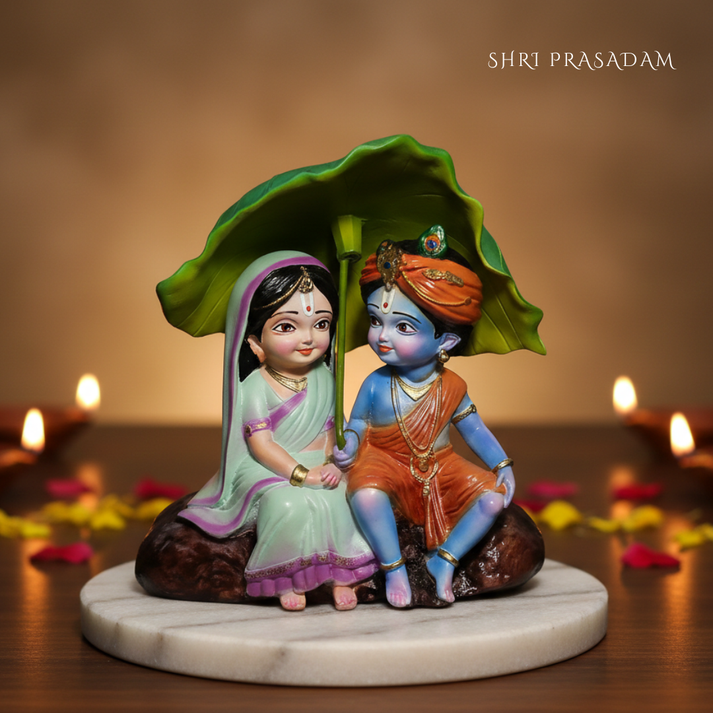
Radha Krishna Idol
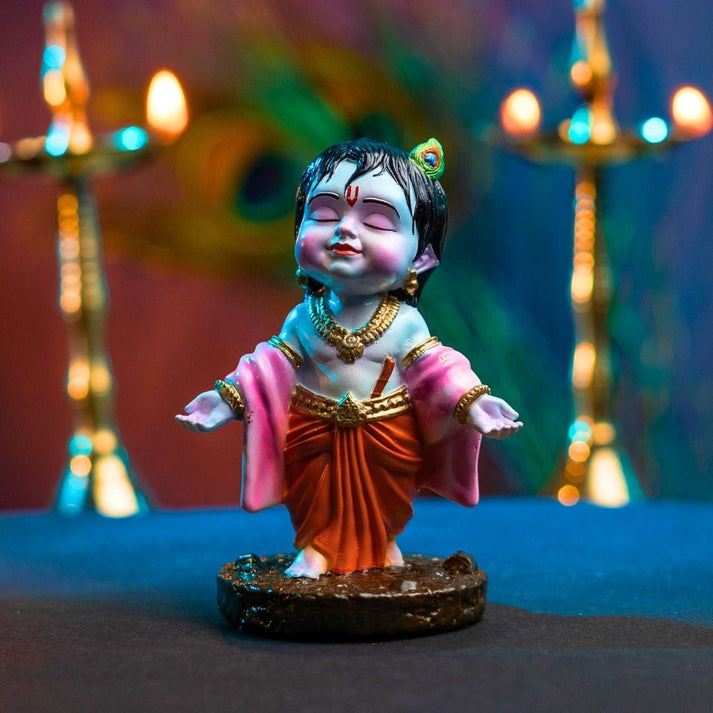
Bal Gopal Idol (Blue Color)
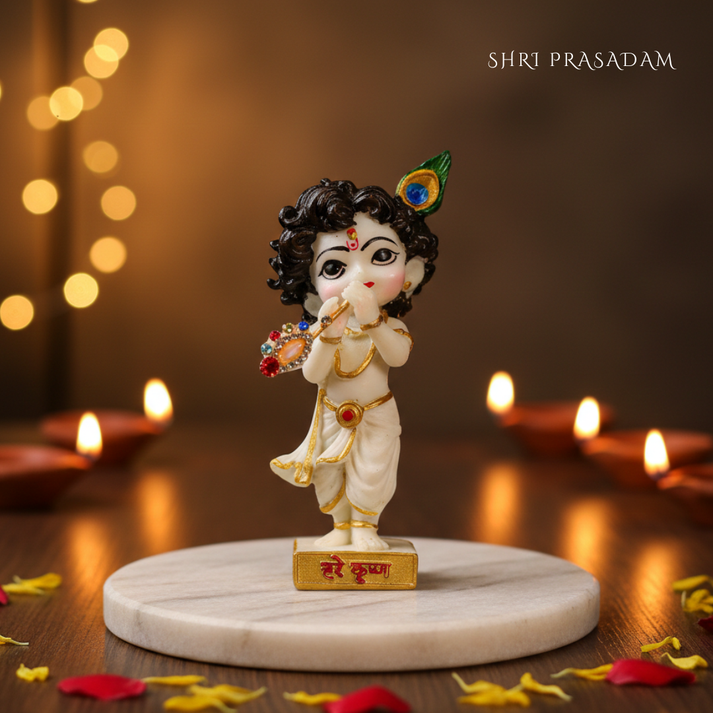
Shri Krishna Idol
Swipe to view more products
Why Is Janmashtami Celebrated?
Janmashtami celebrates the birth of Lord Krishna.
According to Hindu tradition, Krishna was born in Mathura to Devaki and Vasudeva. At that time, Mathura was ruled by the cruel king Kansa.
A prophecy had warned Kansa that Devaki's eighth child would become the reason for his downfall. Because of this, Kansa imprisoned Devaki and Vasudeva.
When Krishna was born at midnight, Vasudeva carried the newborn Krishna across the Yamuna River and took him to Gokul. There, Krishna was raised by Nanda Baba and Yashoda Mata.
Krishna later became known for his wisdom, kindness, playful childhood stories and teachings in the Bhagavad Gita.
Janmashtami therefore celebrates not only Krishna's birth but also the message of dharma, truth, love and devotion.
History of Janmashtami
The story of Krishna's birth is found in ancient Hindu scriptures, including the Bhagavata Purana, Harivamsa and Vishnu Purana.
Krishna is traditionally described as an incarnation of Lord Vishnu. His birth is believed to have taken place during a difficult period when Kansa's rule had created fear in Mathura.
The birth of Krishna represents the arrival of hope during a time of darkness.
His childhood in Gokul and Vrindavan is filled with famous stories such as:
- Krishna stealing butter with his friends
- Playing the flute
- His playful childhood with the Gopis
- Krishna lifting Govardhan Hill
- His friendship with Sudama
- His teachings to Arjuna in the Bhagavad Gita
These stories continue to be remembered and celebrated during Krishna Janmashtami.
Significance of Janmashtami
Janmashtami has deep religious and cultural importance for devotees around the world.
1. Celebration of Lord Krishna's Birth
The main purpose of Janmashtami is to celebrate the birth of Shri Krishna. Temples and homes are decorated with flowers, lights and Krishna idols.
2. Message of Good Over Evil
Krishna's birth story represents the victory of good over evil. His life teaches people to follow the path of truth and dharma.
3. Importance of Devotion
Janmashtami encourages devotees to remember Krishna through prayer, bhajans, meditation and devotional activities.
4. Family and Community Celebration
Families often come together to prepare special food, decorate their homes and visit temples.
5. Spiritual Learning
Krishna's teachings in the Bhagavad Gita continue to inspire people to perform their duties with sincerity while maintaining faith and balance.
How Is Janmashtami Celebrated?
Janmashtami celebrations can be different across India, but some traditions are common.
Fasting
Many devotees observe a fast during Janmashtami. Some people follow a strict fast, while others eat fruits, milk and permitted fasting foods.
Fasting rules can vary according to family tradition and religious practice. Drik Panchang notes that Janmashtami fasting is generally continued until the appropriate Parana time on the following day.
Midnight Krishna Puja
The most important part of the celebration is the midnight puja.
Devotees believe this is the time when Lord Krishna was born. Krishna's idol may be bathed, dressed in new clothes and decorated with flowers and ornaments.
Krishna Idol Decoration
Many homes decorate a small Krishna or Bal Gopal idol for Janmashtami.
The idol may be placed in a small home temple along with flowers, peacock feathers, decorative clothes and traditional ornaments.
Bhog and Prasad
Devotees prepare different foods and sweets as an offering to Lord Krishna.
Common offerings include:
- Makhan
- Mishri
- Milk
- Curd
- Panchamrit
- Fruits
- Pedas
- Dhania panjiri
- Other traditional sweets
Krishna Jhanki
Many temples and families create beautiful Krishna Jhanki displays showing important scenes from Krishna's life.
Popular themes include Krishna's birth in Mathura, Vasudeva crossing the Yamuna and Bal Krishna's childhood in Gokul.
Bhajans and Kirtan
Devotees sing Krishna bhajans and participate in kirtans during the celebration. Many temples remain decorated and active late into the night.
Janmashtami and Dahi Handi

Dahi Handi is another popular celebration connected with Krishna.
It is inspired by stories of young Krishna and his friends stealing butter and curd. A pot filled with curd or other items is traditionally placed at a height, and groups of people form human pyramids to reach it.
Dahi Handi is especially popular in Maharashtra and Goa and is generally celebrated on the day after Krishna Janmashtami.
In 2026, Dahi Handi will be celebrated on Saturday, September 5 according to this calendar.
Why Is Krishna Worshipped at Midnight?
Lord Krishna's birth is traditionally believed to have taken place at midnight.
This is why the Nishita Kaal is considered an important time for Janmashtami Puja.
Devotees wait until midnight and celebrate Krishna's birth with prayers, bells, devotional songs and aarti.
Janmashtami 2026 FAQs
Q1- When is Janmashtami in 2026?
Krishna Janmashtami will be observed on Friday, September 4, 2026, according to the Vaishnava/ISKCON calendar. Some calendars following Smarta rules list September 3, so the date can differ by tradition.
Q2 - What is the Janmashtami 2026 date and time?
The main Vaishnava Janmashtami date is September 4, 2026. In New Delhi, the Nishita Puja Muhurat is approximately 11:57 PM to 12:43 AM, extending into September 5.
Q3 - When is Krishna's birth celebrated in 2026?
Krishna's birth is traditionally celebrated around midnight during Nishita Kaal on Janmashtami.
Q4 - When is Dahi Handi in 2026?
Dahi Handi will be celebrated on Saturday, September 5, 2026, following Janmashtami.
Q5 - Why is Janmashtami celebrated?
Janmashtami celebrates the birth of Lord Krishna. It is also associated with the message of dharma, devotion and the victory of good over evil.
Q6 - What is Nishita Kaal?
Nishita Kaal refers to the Hindu midnight period. It is considered an important time for performing Krishna Janmashtami Puja because Krishna's birth is traditionally believed to have occurred at midnight.
Q7 - Can I celebrate Janmashtami at home?
Yes. You can celebrate Janmashtami at home by decorating your puja space, placing a Krishna idol, preparing bhog, observing your chosen fasting tradition and performing Krishna Puja at the appropriate time.
Q8 - Is Janmashtami fasting compulsory?
No single fasting practice applies to everyone. Fasting customs vary by family, region and religious tradition. People who fast should follow a practice suitable for them and their tradition.
Q9 - What is the difference between Janmashtami and Dahi Handi?
Janmashtami celebrates the birth of Lord Krishna. Dahi Handi is a popular celebration inspired by Krishna's childhood butter-stealing stories and is generally held the following day.
Final Thoughts
Janmashtami 2026 is a beautiful festival that brings families and communities together to celebrate the birth of Lord Krishna.
From midnight Krishna Puja and fasting to beautiful decorations, bhajans, bhog and Dahi Handi, every tradition adds a special meaning to the celebration.
Whether you visit a temple or celebrate at home, Janmashtami is a wonderful time to remember Krishna's teachings and bring more devotion, positivity and happiness into everyday life.
Radhe Radhe! Jai Shri Krishna!


