

Navratri 2026: Date, Timing, Muhurat, History and Significance
Navratri 2026 is one of the most important Hindu festivals dedicated to Goddess Durga and her nine forms. Also known as Sharad Navratri or Shardiya Navratri, the festival is celebrated for nine days with prayers, fasting, devotional songs, Garba, Dandiya and special Durga Puja.
In 2026, Sharad Navratri begins on Sunday, October 11, 2026, with Ghatasthapana and Shailputri Puja. The nine-day celebration ends with Maha Navami on October 19, followed by Vijayadashami or Dussehra on October 20, 2026.
This guide covers everything you need to know about Navratri 2026, including the date, Ghatasthapana Muhurat, important timings, nine forms of Goddess Durga, history, significance, rituals, fasting rules and frequently asked questions.
Navratri 2026 Date and Time
The Navratri 2026 start date is October 11, 2026. The festival will continue for nine days, with each day dedicated to one form of Goddess Durga.
The 2026 calendar places Ghatasthapana on October 11, followed by the nine days of Navratri and Vijayadashami on October 20.
Note: Festival dates and Muhurat timings can vary slightly depending on the city and local Panchang calculations.

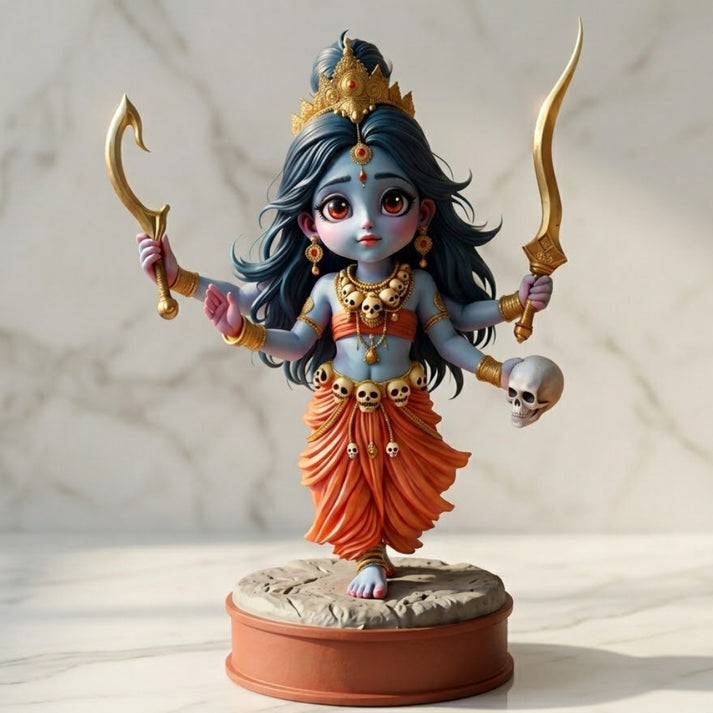

Ghatasthapana Muhurat 2026
Ghatasthapana marks the beginning of Navratri. During this ritual, a Kalash is established and Goddess Shakti is invoked for the nine-day festival.
For 2026, Ghatasthapana falls on Sunday, October 11. The exact Muhurat depends on the location.
For example, according to city-specific Panchang calculations, the Ghatasthapana Muhurat is approximately 6:31 AM to 10:27 AM in Mumbai, while it is approximately 5:31 AM to 9:26 AM in Kolkata.
The Abhijit Muhurat is also considered an alternative time for Ghatasthapana when the primary Muhurat is not available. In Mumbai, it falls around 12:01 PM to 12:49 PM on October 11, 2026.
Because these timings change according to location, it is best to check the Panchang for your city before performing Ghatasthapana.
What is Ghatasthapana?
Ghatasthapana, also called Kalash Sthapana, is one of the most important rituals of Navratri. It marks the formal beginning of the festival and represents the invocation of Goddess Durga and divine Shakti.
A Kalash filled with water is placed in the puja area along with other traditional items. Barley or other sacred grains are also commonly sown near the Kalash and allowed to grow during the nine days.
Traditionally, Ghatasthapana is performed during the early part of the day while Pratipada Tithi is in effect. Night-time Ghatasthapana is generally avoided.

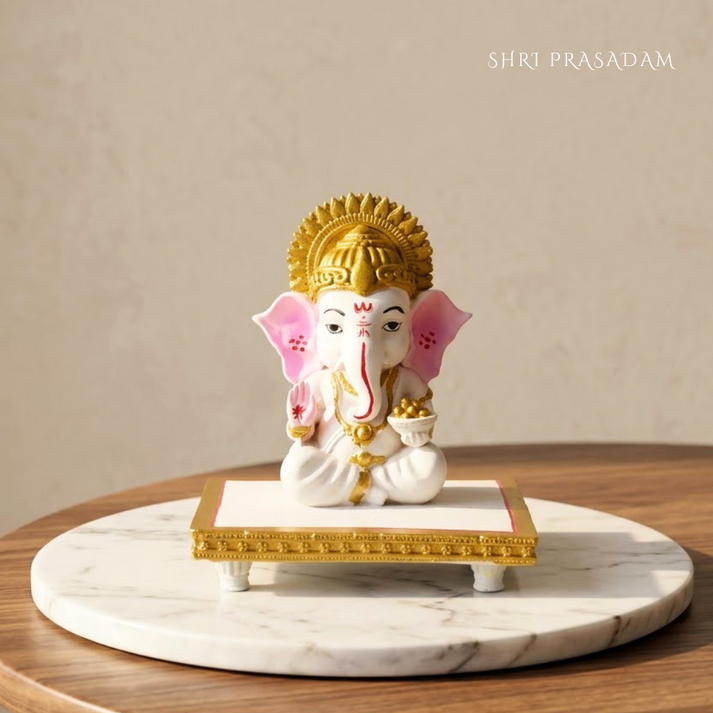

9 Days of Navratri 2026 and the Nine Forms of Durga
Each day of Navratri is dedicated to one of the Navadurga, the nine forms of Goddess Durga.
Day 1: Maa Shailputri
The first day of Navratri is dedicated to Maa Shailputri. She is considered the daughter of the Himalayas and is associated with strength, purity and devotion.
Devotees begin the festival by performing Ghatasthapana and praying to Maa Shailputri.
Day 2: Maa Brahmacharini
The second day is dedicated to Maa Brahmacharini. She represents devotion, patience and spiritual discipline.
Devotees pray to her for inner strength and peace.
Day 3: Maa Chandraghanta
The third day is dedicated to Maa Chandraghanta. She is associated with courage, peace and protection.
Her worship is believed to help devotees overcome fear and negativity.
Day 4: Maa Kushmanda
The fourth day is dedicated to Maa Kushmanda. She is associated with energy, prosperity and the creation of life.
Devotees seek her blessings for health, happiness and positive energy.
Day 5: Maa Skandamata
The fifth day is dedicated to Maa Skandamata, the mother of Lord Kartikeya.
She represents motherhood, compassion and protection.
Day 6: Maa Katyayani
The sixth day is dedicated to Maa Katyayani. She is considered a powerful form of Goddess Durga.
Devotees worship her for courage, strength and protection from negative forces.
Day 7: Maa Kalaratri
The seventh day is dedicated to Maa Kalaratri, one of the fierce forms of Goddess Durga.
She represents the destruction of darkness, fear and evil.
Day 8: Maa Mahagauri
The eighth day is dedicated to Maa Mahagauri. She represents purity, peace and spiritual strength.
Durga Ashtami is especially important for many devotees and is celebrated with special prayers and offerings.
Day 9: Maa Siddhidatri
The ninth day is dedicated to Maa Siddhidatri. She is associated with spiritual knowledge, wisdom and divine blessings.
Maha Navami is an important day for prayers, puja and devotional activities.
Why is Navratri Celebrated?
Navratri celebrates the power of Goddess Shakti, the divine feminine energy. The festival is closely connected with the victory of good over evil.
One of the most popular stories associated with Navratri is the battle between Goddess Durga and the demon Mahishasura. According to Hindu tradition, Mahishasura had become extremely powerful and created fear among the gods and people. Goddess Durga fought him and defeated him, symbolizing the victory of good over evil.
The nine days of Navratri are therefore seen as a period of devotion, spiritual strength and renewal.
The festival also carries different cultural meanings across India. In Gujarat, people celebrate with Garba and Dandiya, while several eastern parts of India observe grand Durga Puja celebrations.
Significance of Navratri 2026
Navratri has religious, spiritual and cultural importance.
1. Victory of Good Over Evil
Navratri represents the victory of positive forces over negative forces. The story of Goddess Durga and Mahishasura is one of the central traditions connected with the festival.
2. Worship of Goddess Shakti
Each day is dedicated to a different form of Goddess Durga. Devotees seek blessings for strength, health, prosperity, wisdom and peace.
3. Spiritual Cleansing
Many people observe fasting, meditation, prayers and other devotional practices during Navratri. These practices are seen as a way to focus the mind and maintain spiritual discipline.
4. Family and Community Celebrations
Navratri brings families and communities together for prayers, celebrations, Garba, Dandiya and festive gatherings.
5. Beginning of the Festive Season
Sharad Navratri is also considered the beginning of the major festive season in India. It is followed by festivals such as Dussehra and Diwali.
Navratri 2026 Puja Vidhi
The exact puja method can differ according to family traditions and regional customs. A simple Navratri puja may include:
1. Clean the puja area.
2. Take a bath and wear clean clothes.
3. Place a picture or idol of Goddess Durga.
4. Perform Ghatasthapana on the first day.
5. Light a diya and incense.
6. Offer flowers, fruits and traditional prasad.
7. Recite Durga prayers or mantras.
8. Perform Aarti.
9. Observe fasting according to your personal tradition.
10. Continue daily prayers throughout the nine days.
Devotees may also read the Durga Saptashati or Devi Mahatmya during Navratri.
What to Eat During Navratri Fasting?
People who observe Navratri fasts usually follow a simple satvik diet. However, fasting rules can vary between families and regions.
Common foods eaten during Navratri fasting include:
● Sabudana
● Samak rice
● Kuttu flour
● Singhara flour
● Potatoes
● Fruits
● Milk and dairy products
● Nuts and dry fruits
● Rock salt or sendha namak
Regular grains, certain pulses and some spices are avoided by many people during fasting.
If you are fasting for health or religious reasons, follow the rules traditionally followed in your family or community.
Navratri Celebrations Across India

Navratri is celebrated in different ways across India.
Gujarat
Gujarat is famous for its energetic Garba and Dandiya Raas celebrations. People dress in traditional clothes and gather for evening dance events.
Maharashtra
Navratri is celebrated with Durga Puja, devotional events and traditional gatherings. Many people also follow the nine Navratri colours.
West Bengal
Navratri overlaps with the grand Durga Puja celebrations. Elaborate Durga idols, beautifully decorated pandals and cultural events are major attractions.
Karnataka
Mysuru and other parts of Karnataka celebrate the festival with traditional ceremonies, cultural programs and decorated temples.
North India
Many devotees observe fasts, perform Durga Puja and organise Kanya Pujan during Ashtami or Navami. The festival culminates with Dussehra.
Navratri and Dussehra 2026
Navratri is followed by Vijayadashami, also known as Dussehra.
In 2026, Vijayadashami falls on Tuesday, October 20. It marks the conclusion of Sharad Navratri and is widely associated with the victory of good over evil.
In many parts of India, Dussehra celebrations include the burning of effigies of Ravana, Kumbhakarna and Meghnad, representing the victory of Lord Rama over Ravana.
Conclusion
Navratri 2026 is a special time for prayer, devotion, celebration and spiritual renewal. Beginning on October 11, 2026, the nine-day festival honours the nine forms of Goddess Durga and celebrates the power of good over evil.
From Ghatasthapana and Durga Puja to Garba, Dandiya and fasting, Navratri brings together India's rich religious and cultural traditions. Whether you celebrate at home, visit a temple or join community festivities, the festival is a meaningful opportunity to seek the blessings of Maa Durga and welcome positivity into your life.
Frequently Asked Questions About Navratri 2026
When is Navratri 2026?
Sharad Navratri 2026 begins on Sunday, October 11, 2026, and the nine-day celebration continues until October 19, 2026. Vijayadashami is celebrated on October 20.
When is Ghatasthapana in 2026?
Ghatasthapana will be performed on October 11, 2026. The exact Muhurat varies by location.
What is the Ghatasthapana Muhurat for Navratri 2026?
The Muhurat depends on your city. For example, the listed time for Mumbai is approximately 6:31 AM to 10:27 AM, while Kolkata has an approximately 5:31 AM to 9:26 AM Muhurat.
How many days is Navratri celebrated?
Sharad Navratri is celebrated for nine days, with each day dedicated to one of the nine forms of Goddess Durga. The festival concludes with Vijayadashami on the tenth day.
Which Goddess is worshipped on the first day of Navratri?
Maa Shailputri is worshipped on the first day of Navratri.
When is Durga Ashtami in 2026?
Durga Ashtami falls on October 19, 2026, according to the listed 2026 Navratri calendar.
When is Dussehra in 2026?
Dussehra or Vijayadashami is on Tuesday, October 20, 2026.
Why do people fast during Navratri?
Many devotees fast during Navratri as an expression of devotion and spiritual discipline. Fasting practices differ by family, region and personal tradition.
May Maa Durga bless you and your family with strength, happiness, prosperity and peace. Jai Mata Di!


